Lisetta Carmi

PLACE AND YEAR OF BIRTH

Genoa, 1924 - Cisternino, 2022 

Lisetta Carmi was one of the most compelling figures in Italian photography.

Discover the life, most significant photographs, and must-see exhibitions of photographer Lisetta Carmi.

,,
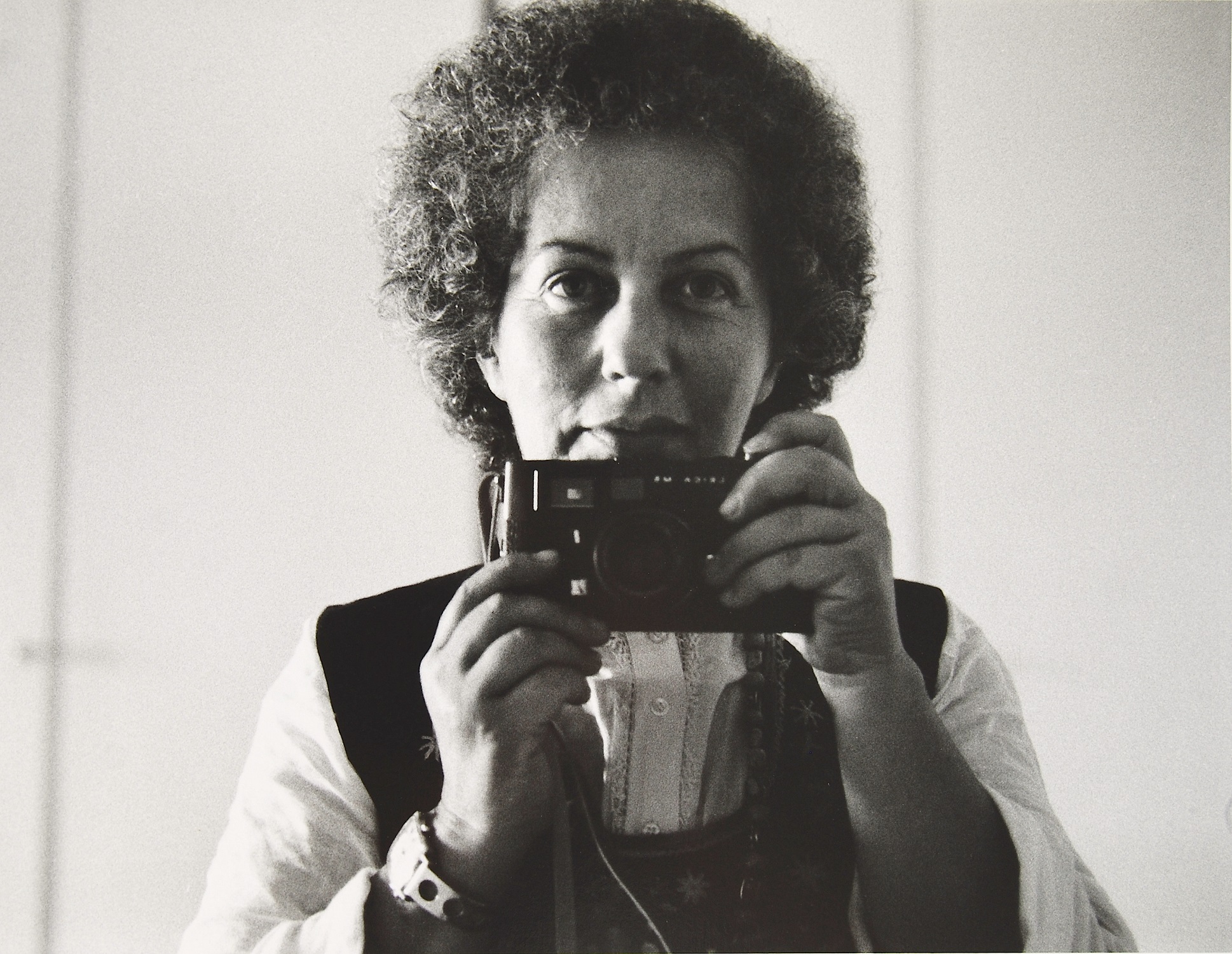
Lisetta Carmi, Self-portrait, 1974, © Lisetta Carmi-Martini & Ronchetti

Biography of Lisetta Carmi

Lisetta Carmi was born into a wealthy middle-class family of Jewish origin in Genoa on 15 February 1924. Due to racial laws, she was forced to leave school in 1938 and take refuge with her family in Switzerland. She continued her piano studies and, after graduating, gave concerts until 1960. It was at that time that she casually approached photography while accompanying her friend, ethnomusicologist Leo Levi, to San Nicandro Garganico in Apulia to record Jewish songs.

Upon her return, these first pictures, taken with a small Agfa Silette, were very well received: Carmi decided that photography would become her profession.

Lisetta Carmi’s Travels and Reportage Between Genoa and Europe

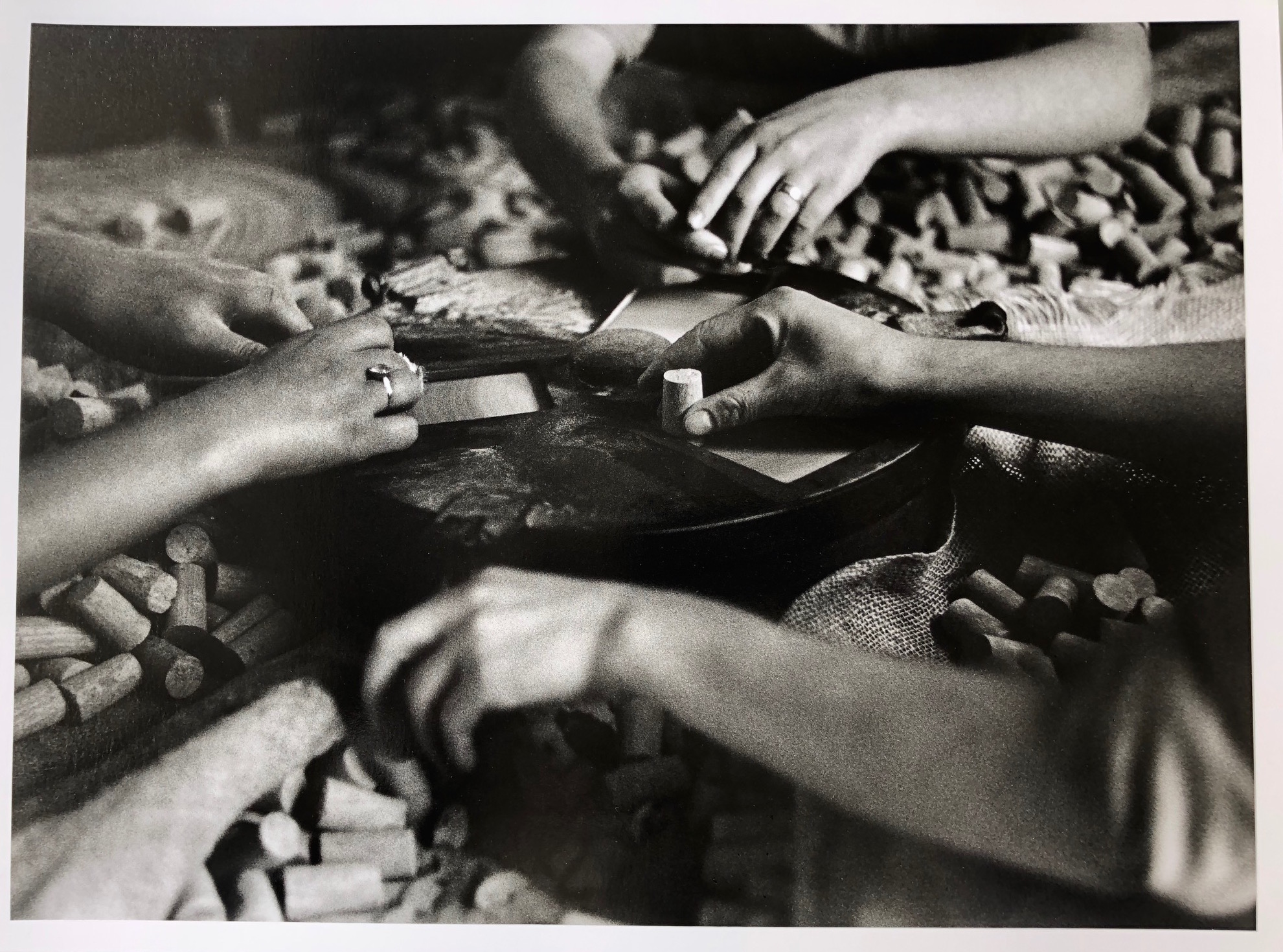
For three years she worked as a photographer at the Duse Theatre in Genoa. The Municipality of Genoa commissioned her to produce a series of reportages. Carmi offers her very personal view of the city's different settings and social issues, such as hospitals, the registry office, the old town and the city's sewers.

Her critical interpretation is also evident in her take on funerary statuary, starting with the title of her reportage dedicated to the Monumental Cemetery of Staglieno: Eroticism and Authoritarianism in Staglieno.

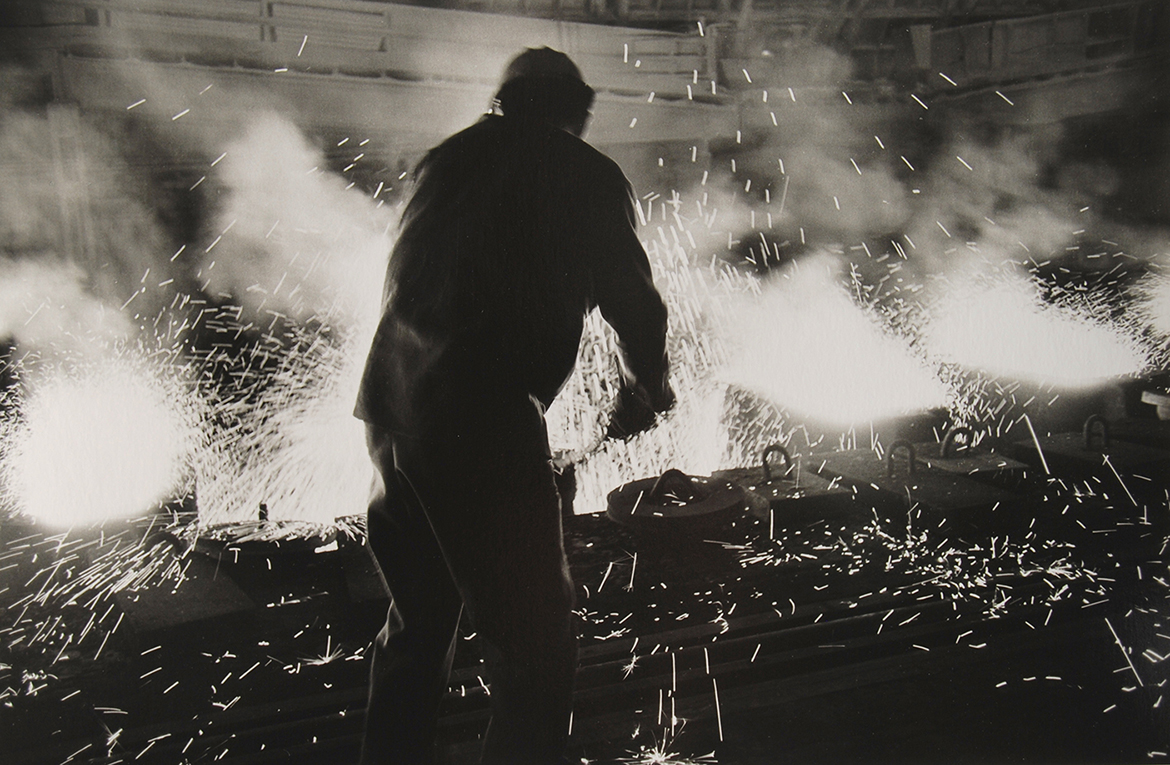
After conducting an extensive survey in the port of Genoa in 1964, which later became a travelling exhibition, she resumed her in-depth analysis of Sardinia, which she had begun two years earlier and completed in the 1970s. 

The following year, she travelled to Paris, and this experience led to the publication of Métropolitain, an artistic book containing a series of shots of the Paris Metro. She travelled around Europe: to Belfast in Ireland, where the riots were in full swing, to England and to Amsterdam, where, in 1966, she documented the protests of the Provos, the first counterculture movement in the Netherlands.
 

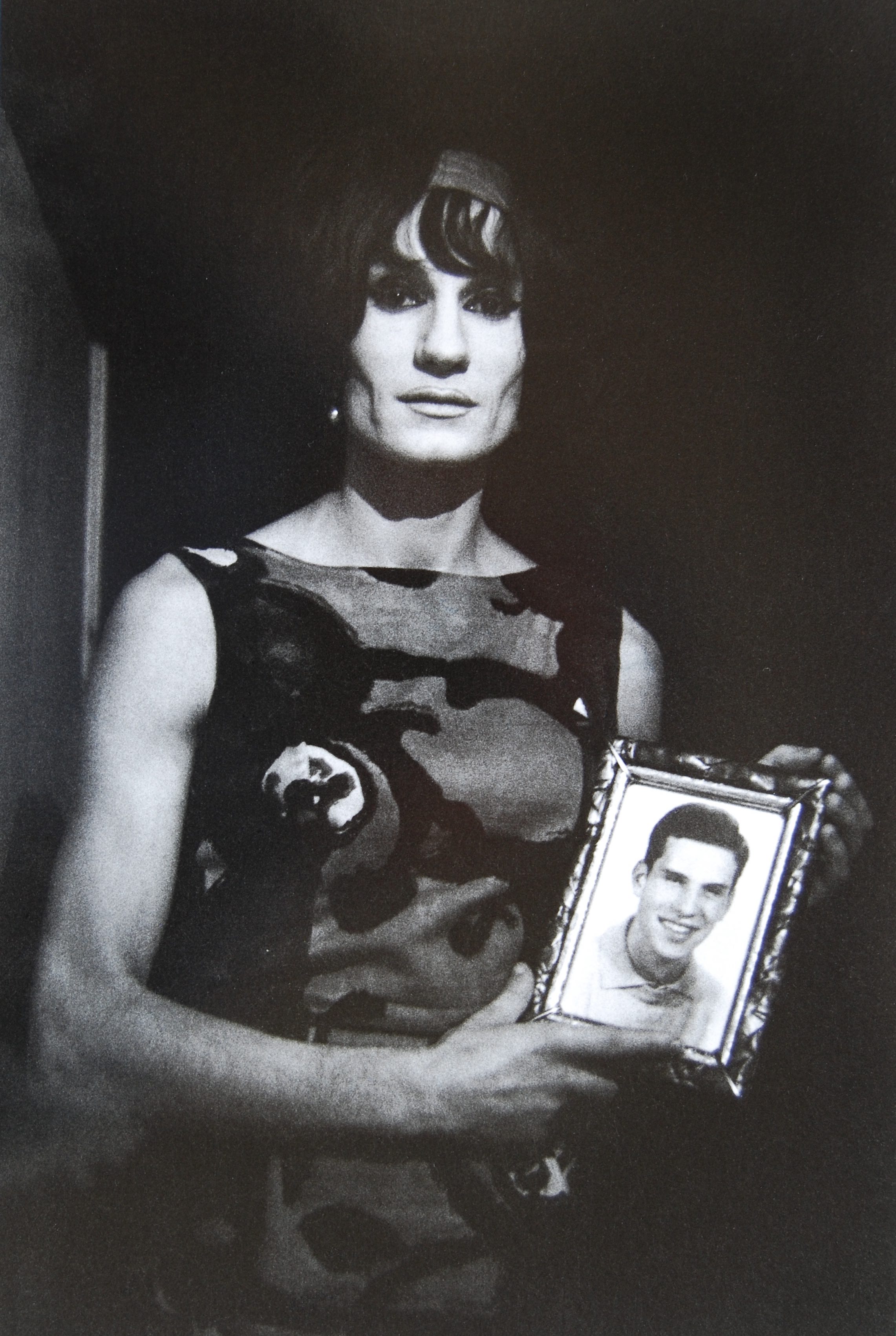
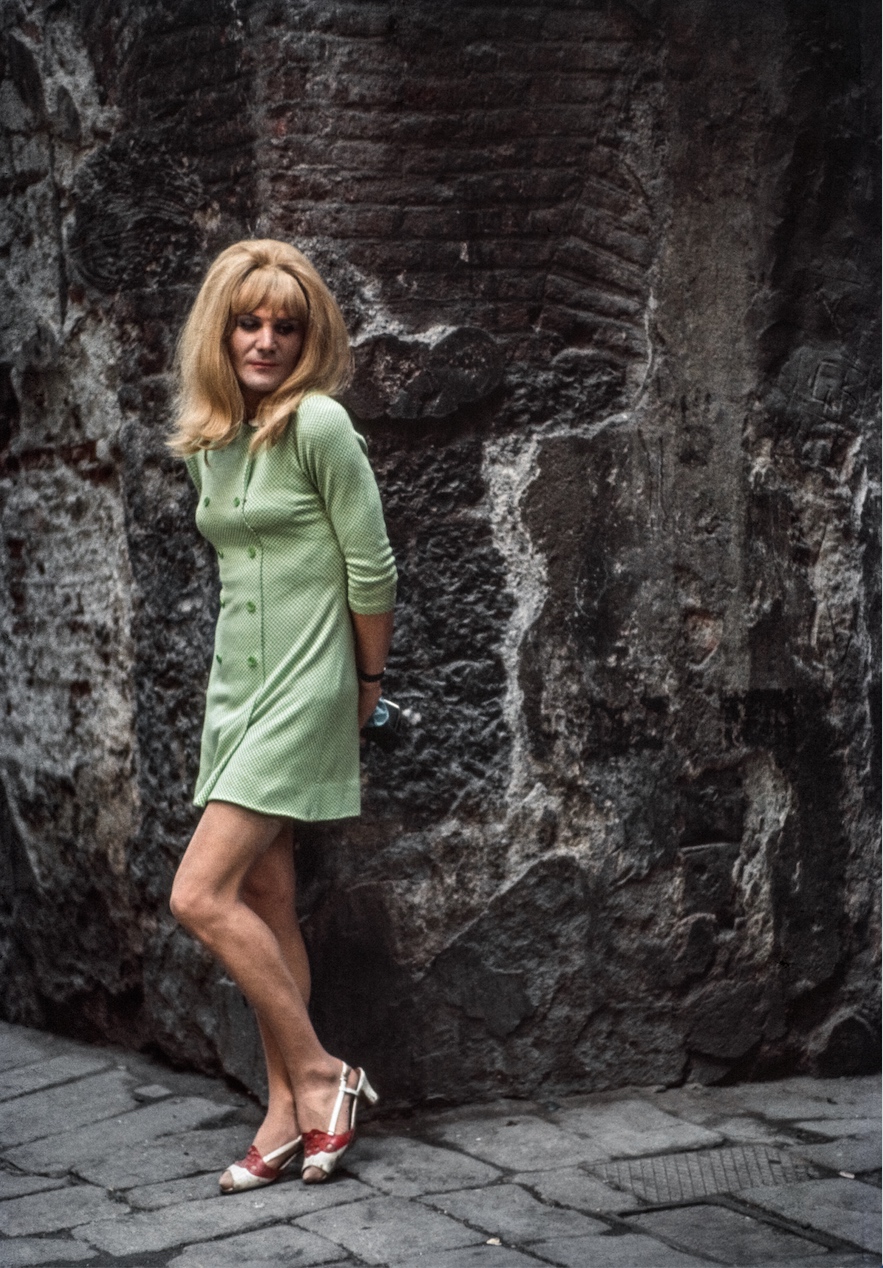
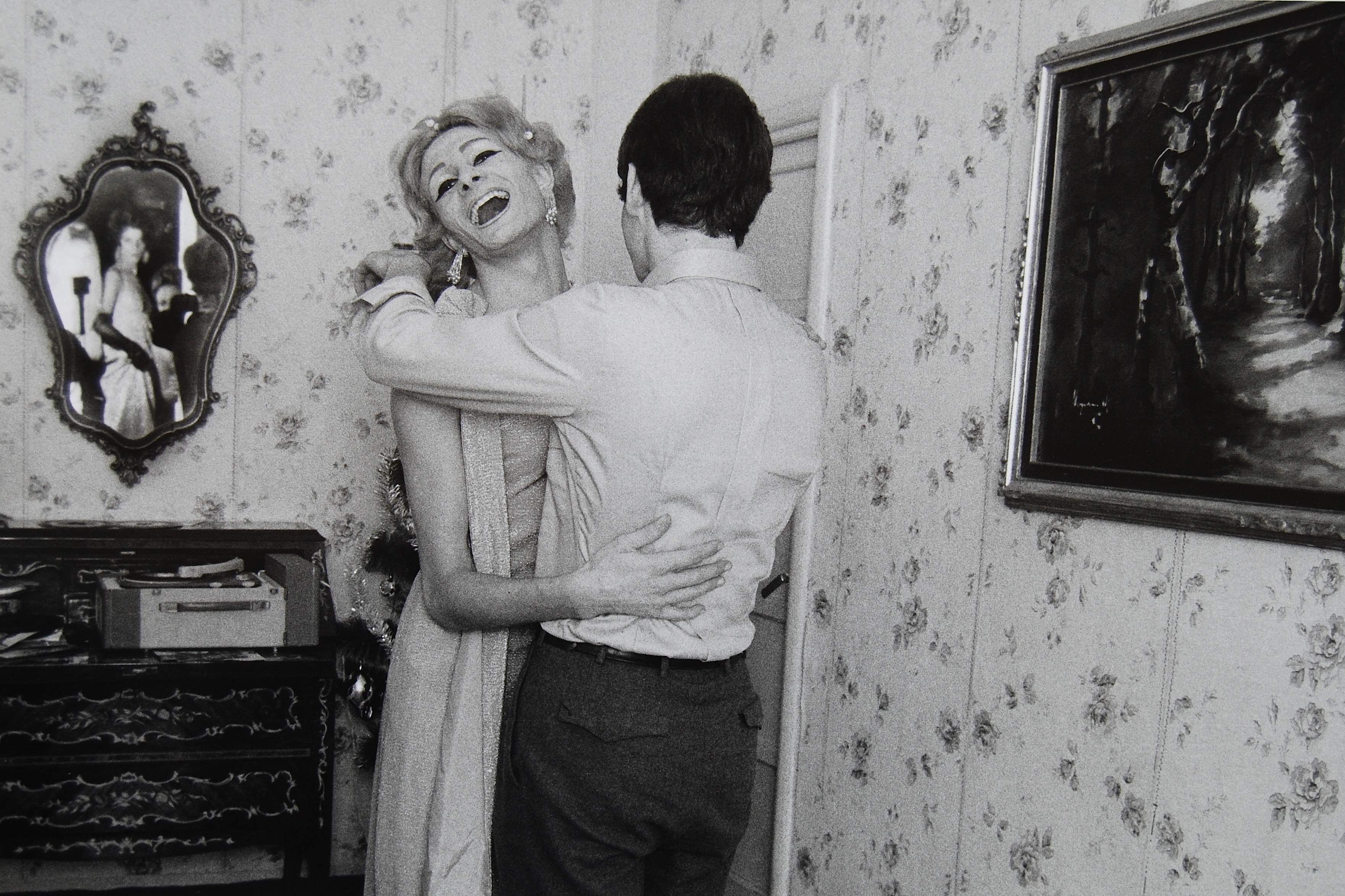
The "I Travestiti project"

Her best-known project took shape in 1965 and, in 1972, after many difficulties, became a book dedicated to the transgender community of Genoa who lived in the old Jewish ghetto. In her story, which spans the course of six years, Carmi uses her camera to learn and understand, forging sincere and empathetic relationships with her subjects, unencumbered by prejudice, because at her interest and her investigation focus on people, with their dramas and their struggle to find an identity.


Latin America, Afghanistan and Nepal

She spent three months travelling in Latin America in 1969 and the following year in Afghanistan and Nepal.

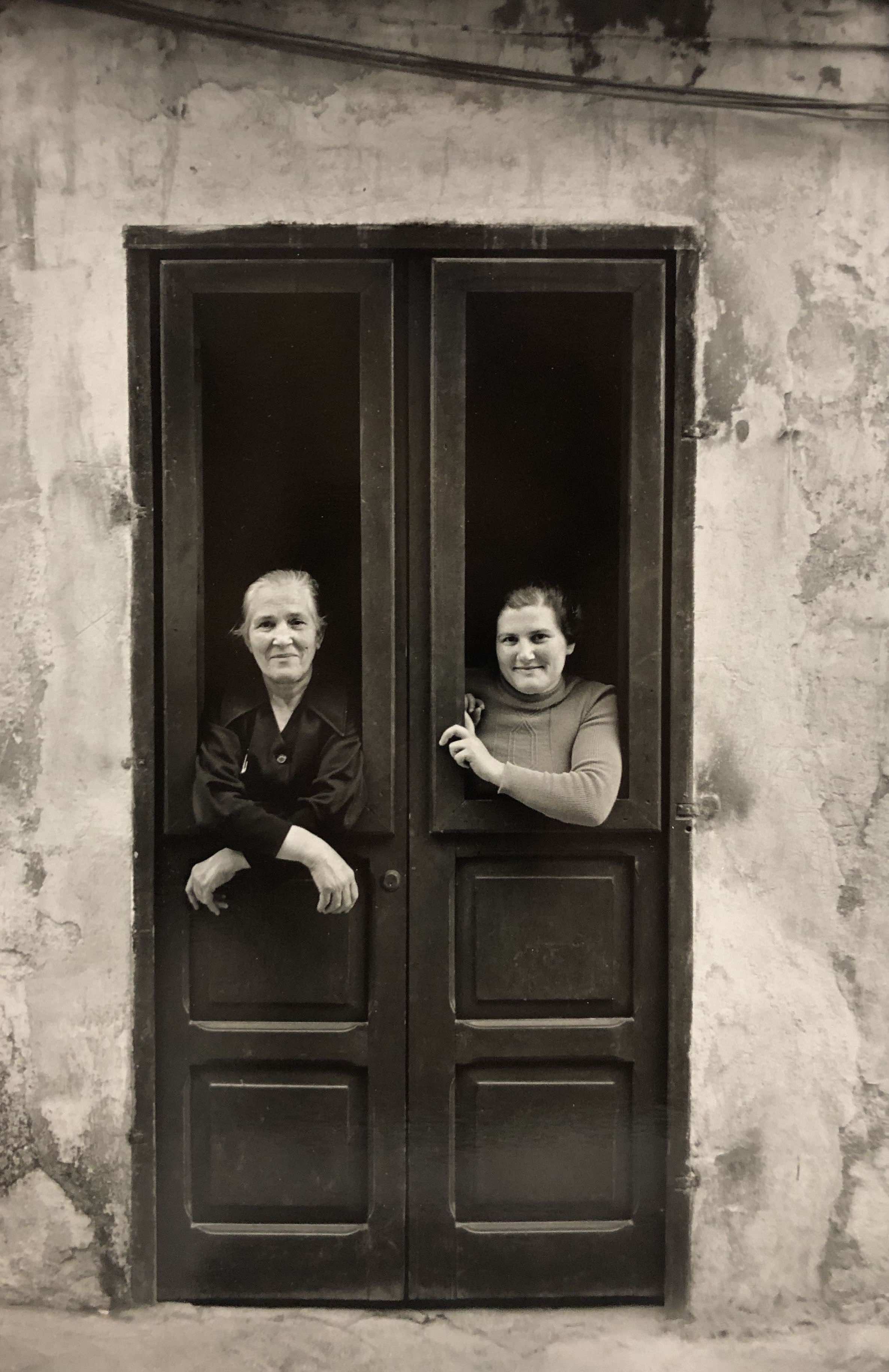
In 1971, she bought a trullo in Cisternino in Apulia. On 12 March 1976, she met Babaji Herakhan Baba, the Mahavatar of the Himalayas, in Jaipur, India. This encounter would radically transform her life. That same year, she was in Sicily on assignment for Dalmine for the book Acque di Sicilia (Waters of Sicily), a collection of pictures of the region's landscape and social situation, accompanied by texts by Leonardo Sciascia.
 

Portraits of Artists and Intellectuals: the Niépce Prize and the Ezra Pound Series

Thanks to her ability to be present at important cultural events, over the years Carmi has created a gallery of portraits of artists and personalities from the cultural world of the time, including Edoardo Sanguineti, Leonardo Sciascia, Lucio Fontana, Carmelo Bene, Luigi Nono, Luigi Dallapiccola, Claudio Abbado and Jacques Lacan. Her best-known series, dedicated to Ezra Pound and shot at the poet's home in the hills above Zoagli in 1966, won her the prestigious Niepce Prize.
 

Cisternino and the construction of Bhole Baba ashram

In the years
that followed, Lisetta Carmi devoted herself entirely to the construction of
the Bhole Baba ashram in Cisternino and then to spreading the lessons of her
teacher. In 1995, after thirty-five years, she met her former piano student
Paolo Ferrari and began a philosophical-musical study collaboration with him.
In 1997, the Italian government recognised the Bhole Baba Centre as a
charitable organisation, allowing Lisetta Carmi to step back from her
activities at the ashram.

Her life is the subject of a documentary by director Daniele Segre entitled Un'anima in Cammino (A Soul on a Journey), which was presented at the Venice Film Festival in 2010.

Numerous exhibitions and books mark the recent renewed interest in her photographic work and her life. From her home in Cisternino, Lisetta Carmi observes it all with affectionate detachment.

Exhibitions featuring Lisetta Carmi's Photographs

From 22 September 2022 to 12 February 2023, Gallerie d’Italia in Turin presented the exhibition Lisetta Carmi. Playing Loud.

The exhibition inaugurated The Great Italian Photography project, curated by Roberto Koch. The initiative continued in 2023 with Mimmo Jodice. Senza Tempo (Timeless), in 2024 with Antonio Biasiucci. Arca (Ark), and in 2025 with Olivo Barbieri. Altri Spazi (Other Spaces).