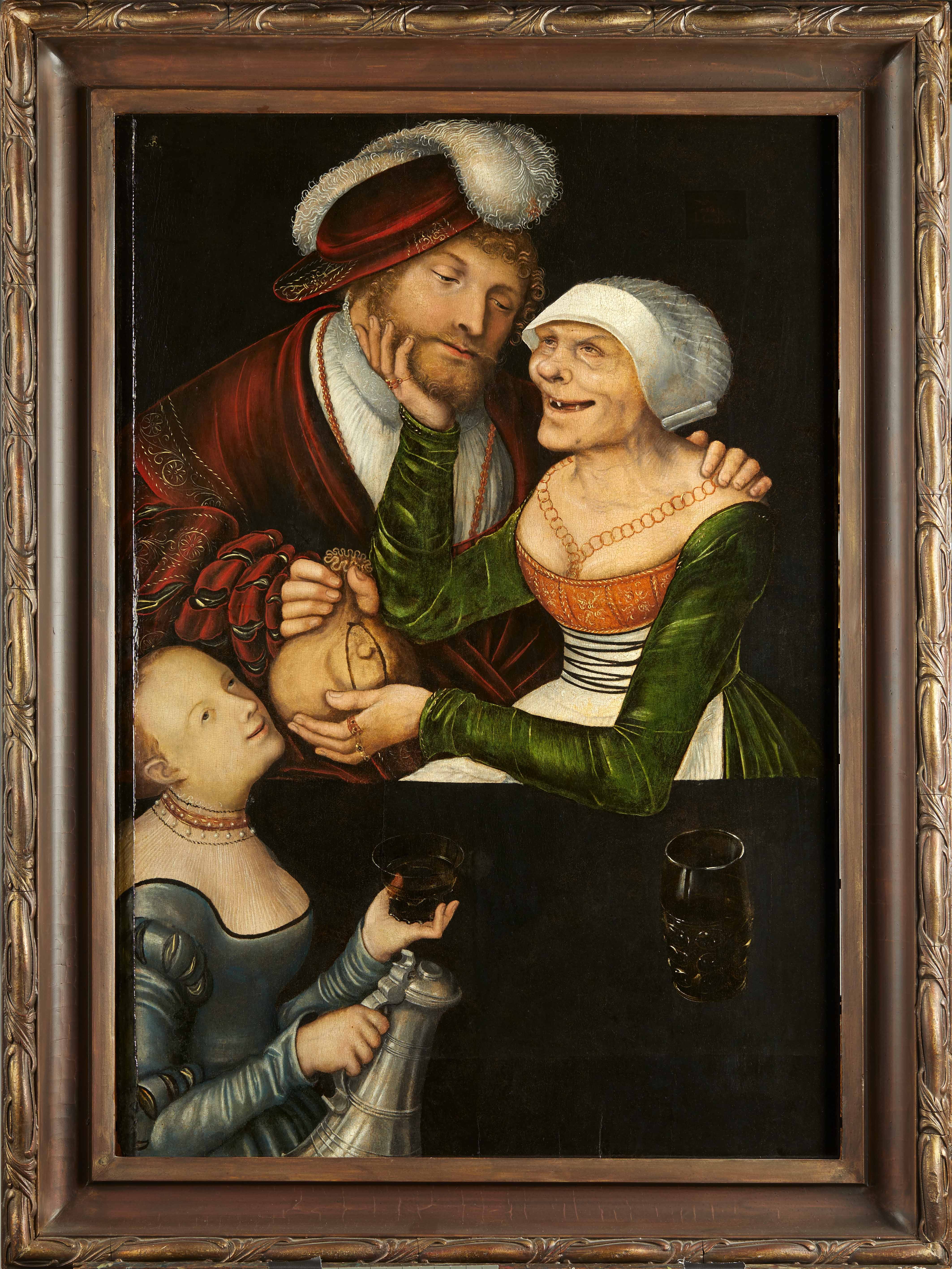
Frans de Vriendt detto Frans Floris, Pomona (particolare), 1565, Olio su tela, 115,5 x 134 cm. Stockholm, The Hallwyl Museum
"Bellezza e Bruttezza. Ideale, reale, caricaturale nel Rinascimento" exhibition in Milan
Gallerie d'Italia - Milan, from 10 July to 18 October 2026, present the exhibition "Beauty and Ugliness. Ideal, real and caricature in the Renaissance", curated by da Chiara Rabbi Bernard, in collaboration with Bozar-Centre for Fine Arts Brussels.
The exhibition addresses the complex relationship between Beauty and Ugliness between the end of the fifteenth century and the sixteenth century, drawing attention to how these two categories, which have been inseparable since ancient times, took on new meanings in the Renaissance context. While Beauty was still linked to the mathematical standards of the classical ideal in the early Renaissance, Ugliness emerged as a deviation from the model, often associated with a realistic representation of “true Nature”. During the sixteenth century, as art gradually detached itself from these standards and from natural mimesis, Artifice became an independent creative tool, capable of transforming, correcting and even distorting nature, generating new and multiple forms of Beauty and Ugliness.
The exhibition, curated with academic rigour and featuring prestigious works by great masters such as Botticelli, Michelangelo, Titian, Dürer, Cranach and other prominent artists, offers a comparison between the leading figures of the Italian Renaissance and those of Northern Europe, particularly Flanders, to explore the constants and variations in taste and style. From the legacy of antiquity to realistic portraiture, from the exceptional figures of muses, monsters and prodigies to the grotesque and caricature, the exhibition explores the central role of Artifice in the redemption of Ugliness and the redefinition of Beauty. The exhibition culminates with the coexistence of Beauty and Ugliness within the same figurative space, reinforcing the sixteenth-century notion that everything that is skilfully imitated by Art can be considered Beautiful, shaping what would come to be defined as a veritable “beautiful ugliness”.
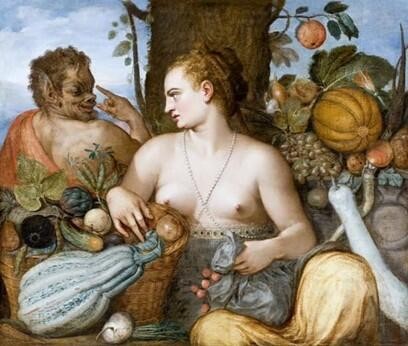
Frans de Vriendt detto Frans Floris, Pomona, 1565, Olio su tela, 115,5 x 134 cm. Stockholm, The Hallwyl Museum
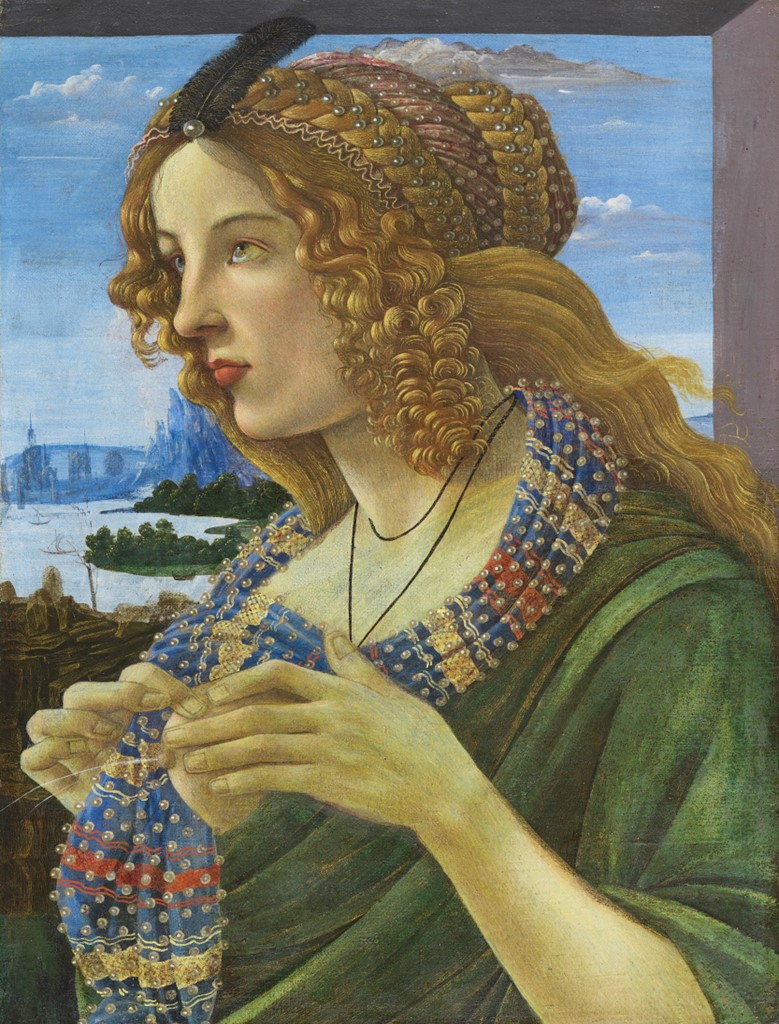
Sandro Botticelli (attribuito a), Ritratto allegorico di figura femminile (Simonetta Vespucci?), 1490 circa, Tempera e olio su tela, 58,5 x 40,5 cm. Collezione privata ©SmartStamp.com
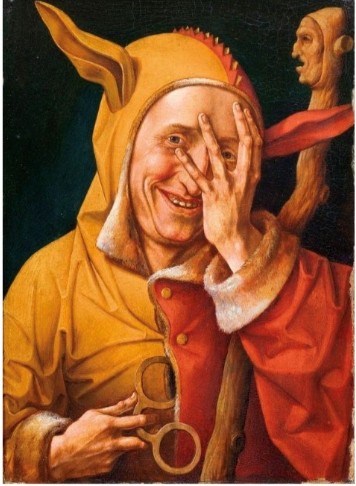
Maestro del 1537 (antichi Paesi Bassi), Folle che guarda attraverso le dita, 1548 circa Olio su tavola, 34,1 x 24,8 cm. Anversa, The Phoebus Foundation © The Phoebus Foundation
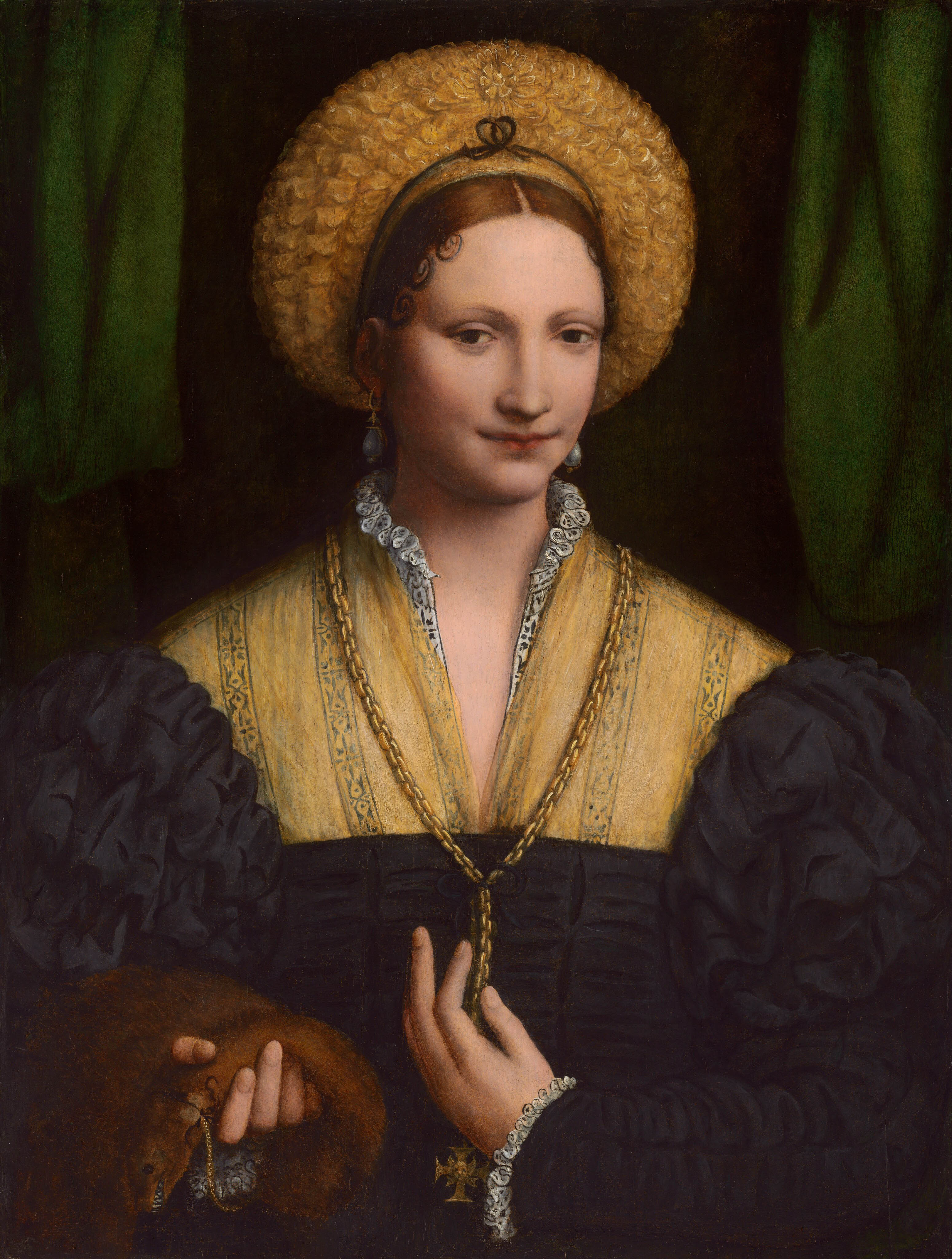
Bernardino Luini, Ritratto di dama, 1520-1525 circa, Olio su tavola, 77 x 57,5 cm. Washington, DC, National Gallery of Art, Andrew W. Mellon Collection © Washington D.C., National Gallery of Art, Andrew W. Mellon Collection
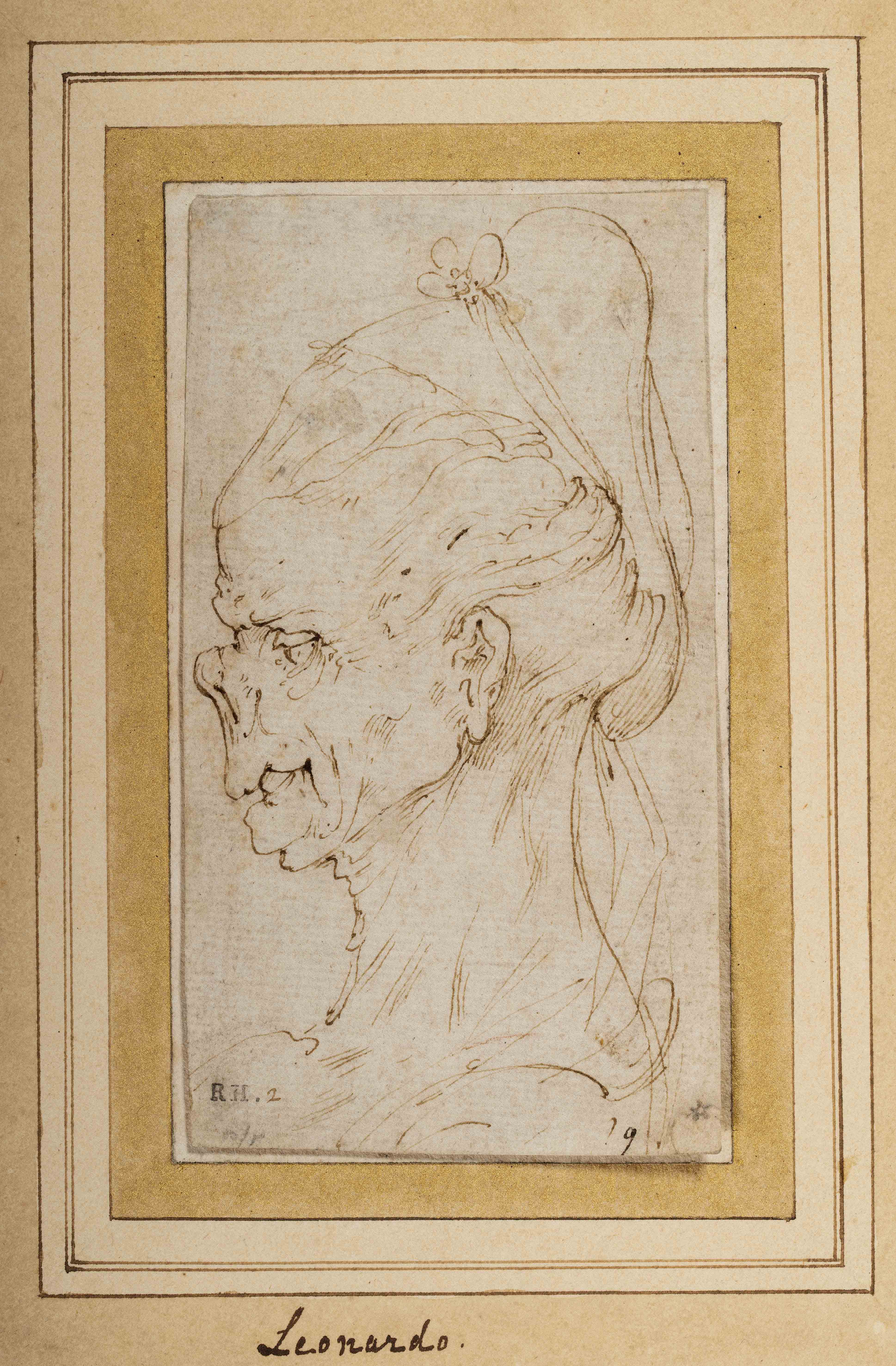
Leonardo da Vinci, Testa grottesca di donna di profilo verso sinistra, 1490-1500 circa Penna e inchiostro seppia chiaro su traccia a punta di piombo o a punta d’argento con ripassature a inchiostro più scuro, 118 x 66 mm. Venezia, Collezione Ligabue © Collezione Ligabue, Venezia. Photo Matteo De Fina
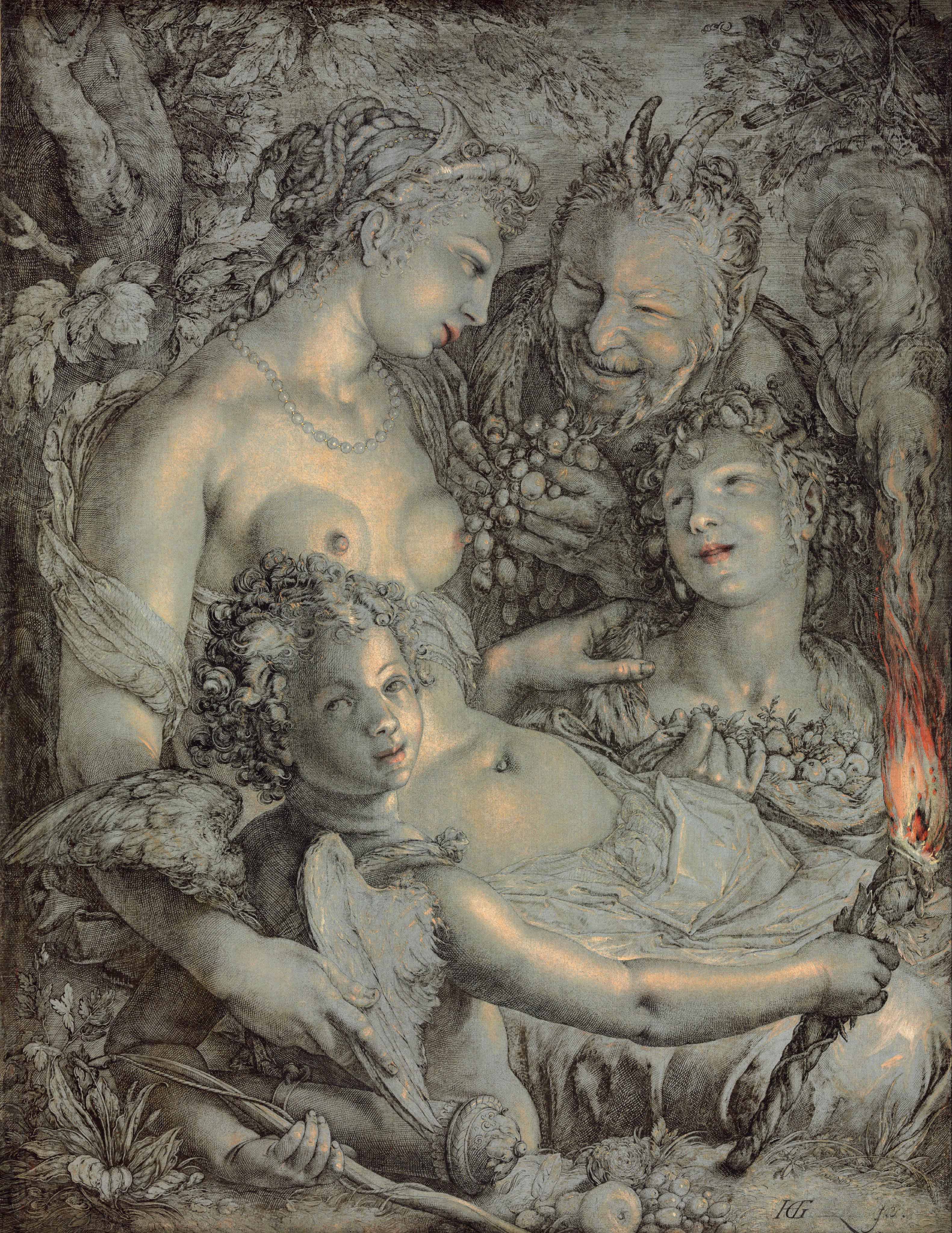
Hendrick Goltzius, Sine Cerere et Libero friget Venus (Senza Cerere e Libero, Venere si raffredda) 1600-1603 circa, Penna e inchiostro, olio su tela, 105,1 x 80 cm. Philadelphia Museum of Art, acquistato con il Fondo dei signori Walter H. Annenberg per le acquisizioni maggiori, il Fondo Henry P. McIlhenny in memoria di Frances P. McIlhenny, il lascito (tramite scambio) dei signori Herbert C. Morris e la donazione (tramite scambio) di Frank e Alice ©Philadelphia Museum of Art